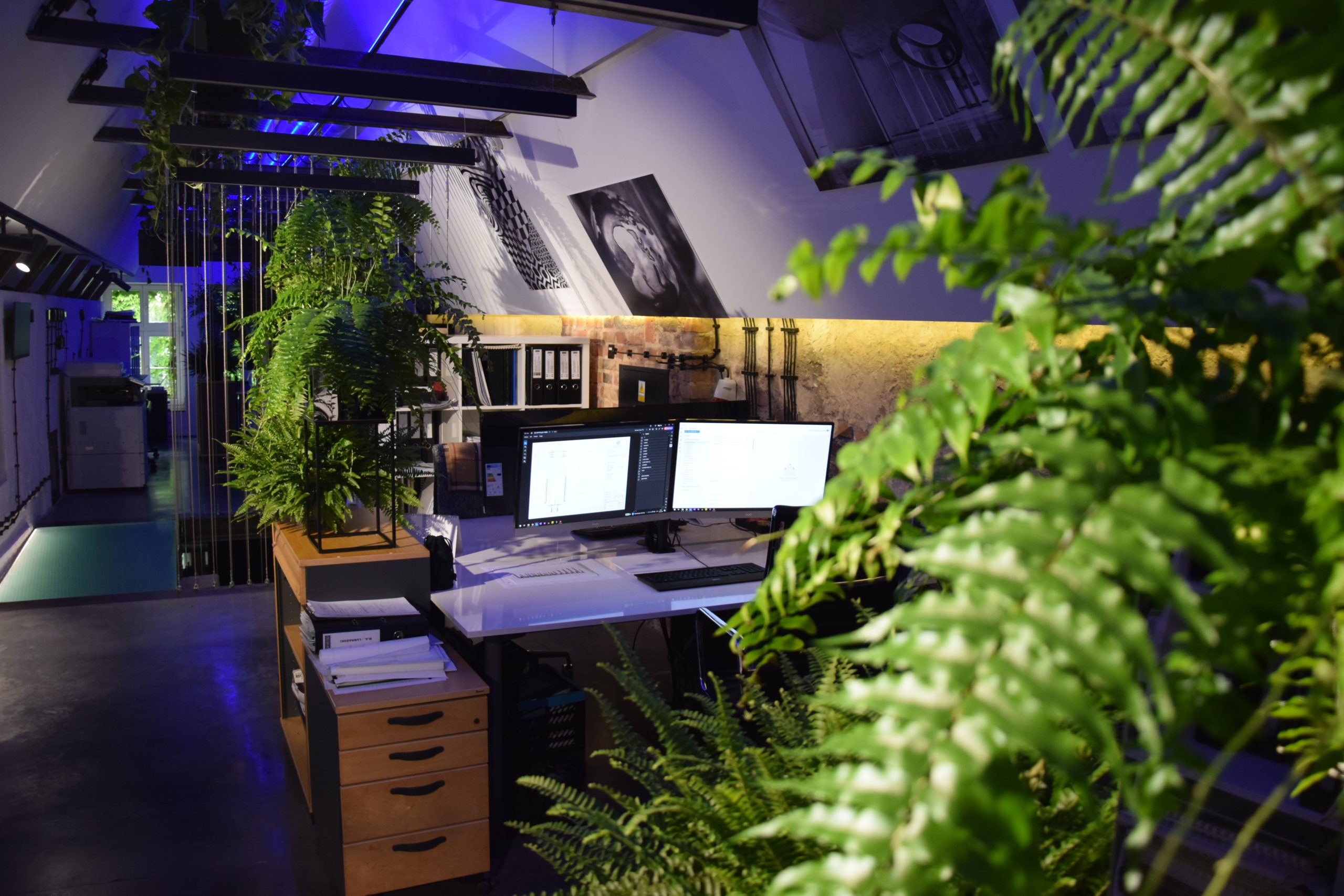
Assumptions of Life Cycle Assessment (LCA) stipulate the impact of a building on the environment throughout its whole life cycle: not only its operation phase but also the process of construction, transport, maintenance, and finally, demolition and waste management. Thus, they describe the influence of the construction process on the environment instead of operational calculations of energy consumption. Unlike in new buildings, renovation of historic buildings eliminates the harmful impact of the construction process. Therefore, transforming a historic building into a nearly zero-energy building is the best solution in terms of sustainable development and protection of natural environment.
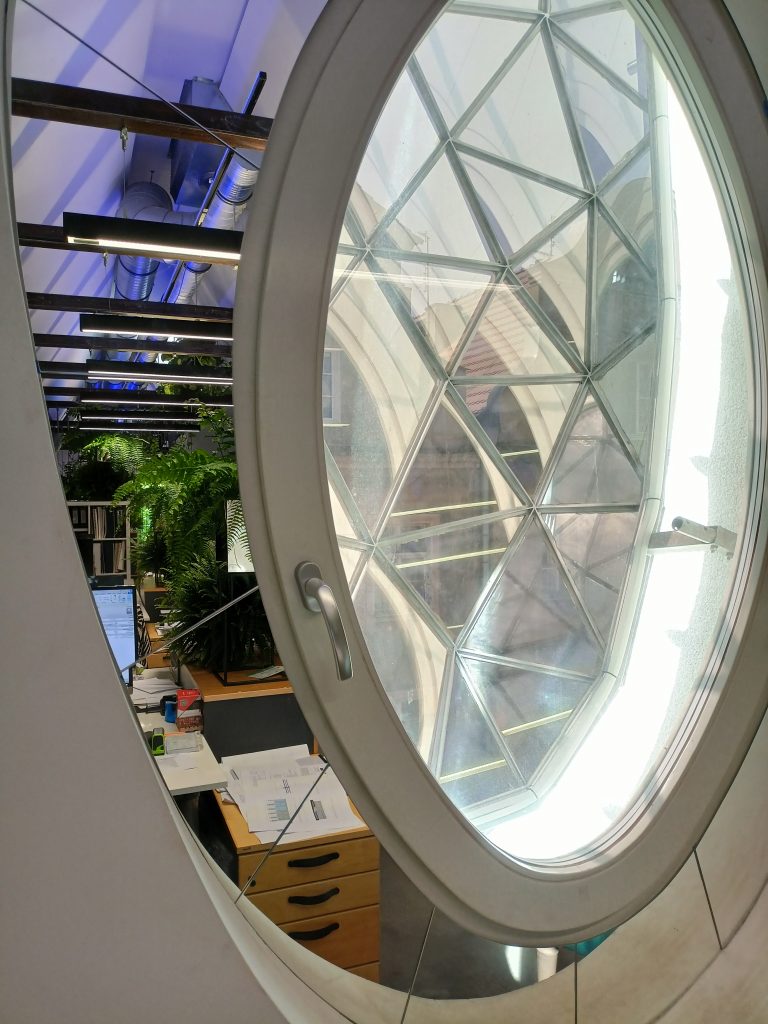
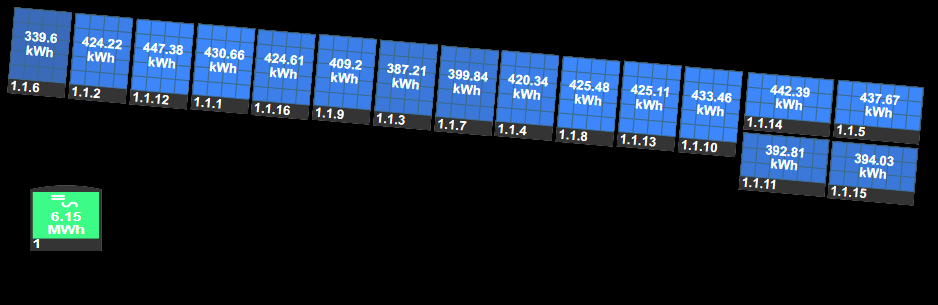
Renewable energy sources in the house at Wroniecka 23 include the heat pump and photovoltaic panels. Since the roof surface is small, energy production from the panels is limited. Nevertheless, they are an important element of the power supply system.
In case of new buildings, it has been proven that the advantage of the minimised energy consumption in the operation phase exceeds the negative impact of the construction process on the environment after 50 years of the building operation. As for historic buildings, the renovation process is hardly invasive for the environment. It is application of technologies and behaviour of residents that play a crucial role in reduction of greenhouse gas emission throughout the life cycle. The tenement house at Wroniecka 23 is the nearly zero-energy building so its carbon footprint is far lower than in case of new buildings, even those passive ones. The actual CO2 reduction for this house is …
Water resources seem unlimited but actually, ecologists sound the alarm. The problem of climate changes, limited resources of drinking water and pollution of waters is growing globally day by day. That’s why educating societies on environmental protection and respecting local sources of water is so important.
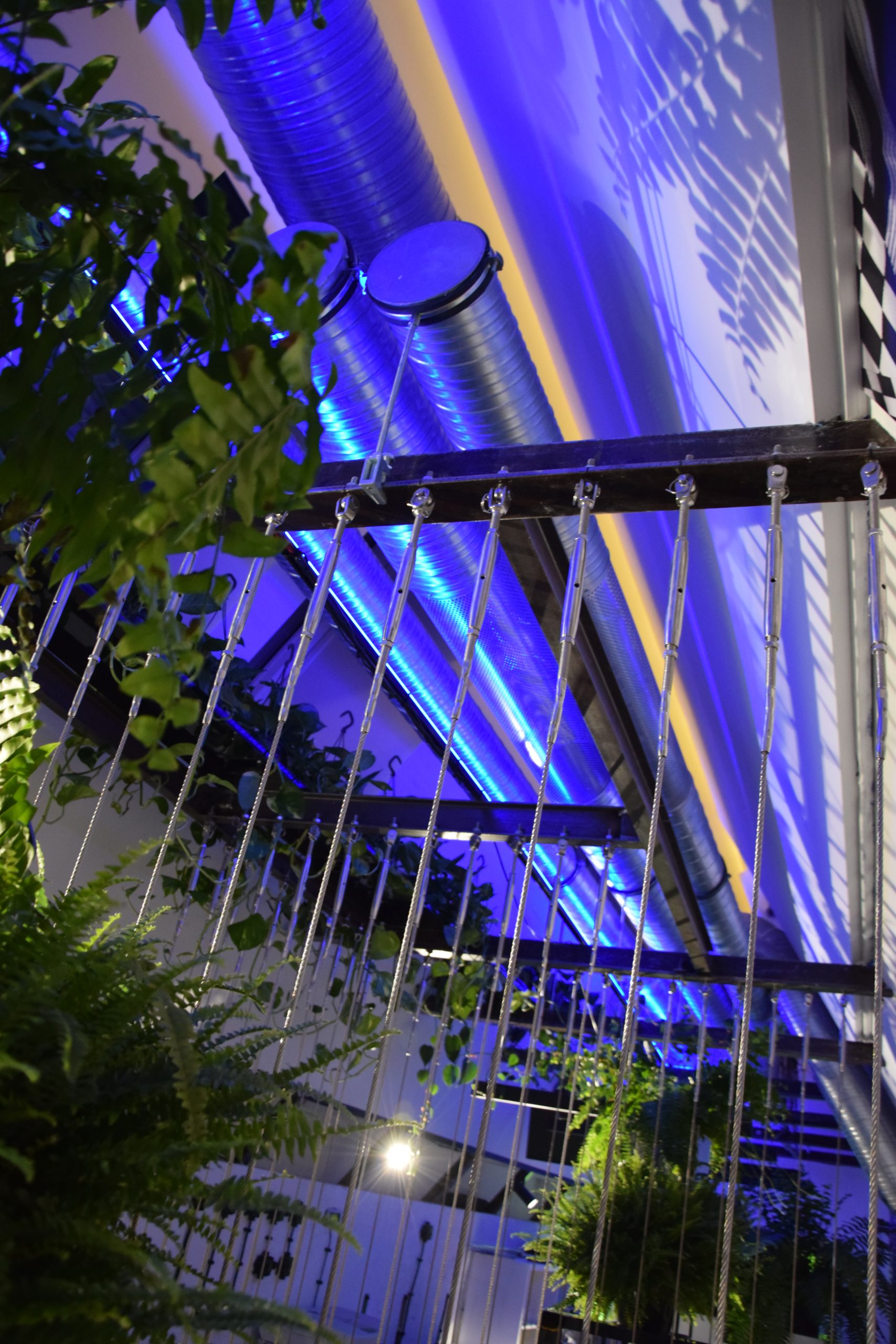
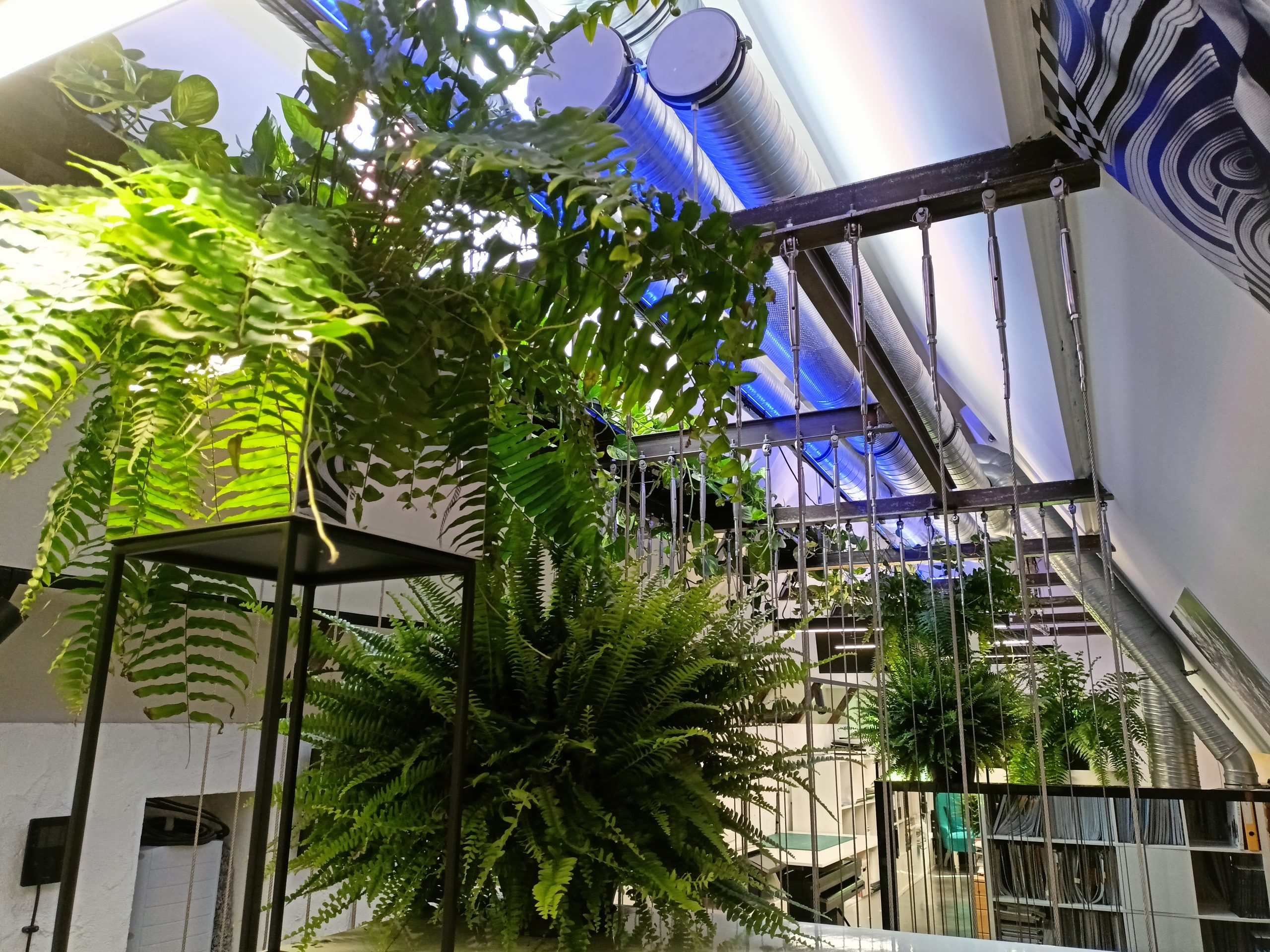
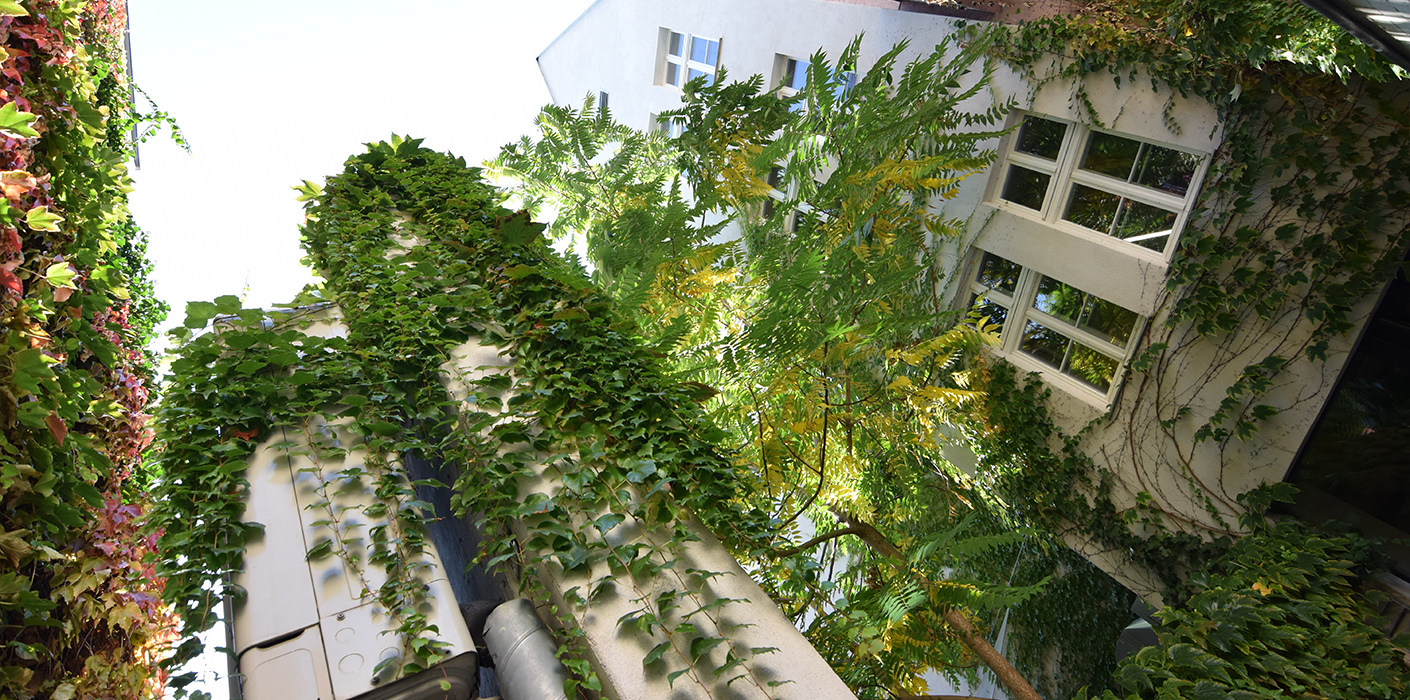
We care about water in our tenement house. We have designed the system of watering flowers and plants on our top floor, which is supplied with water from our ventilation units. Of course, this is not a huge-scale activity but we believe that even such small steps taken by each of us may have positive affect on water consumption. Moreover, applying such solutions is educational: we show in practice that even water from an AHU can be used again.